

How Staying Hydrated Can Help Prevent These 4 Urology Conditions

Perhaps it’s no coincidence that Floridians have access to more than 1,000 practicing urologists, well above the national ratio of doctors to patients. Living with an annual average temperature of 73 degrees, Floridians are prone to dehydration, which can trigger a number of urology disorders.
Indeed, as many as 28% of all Americans are dehydrated as a condition, scientific studies conclude, so in Florida the figure is likely greater. And dehydration can occur for reasons other than sweating in the heat, such as from vomiting, diarrhea, excessive urination, or simply not drinking enough water.
So it’s not difficult to lose more liquids than you take in, especially when nearly 60% of your body is water. If that happens, your kidneys, bladder, and other areas of the urinary tract won’t have enough fluid to flush out waste and toxins.
How Dehydration Can Upset Your Urology Health: 4 Conditions
Should your body endure long-term or chronic dehydration, the parts of your urologic system can weaken and malfunction, making you vulnerable to following conditions:
Urinary tract infection (UTI) – When you are dehydrated, your body makes less urine as it tries to conserve water. As a result, the waste in your urine can become highly concentrated and harsh, weakening your urinary tract’s defenses against bacteria. Further, less urine means less peeing, so you’re not flushing out infection-causing bacteria such as E. coli that can spread to your bladder. Signs of a UTI include burning urination, a frequent urge to go but passing small amounts, cloudy urine, and pelvic pain. Learn how UTIs are diagnosed and treated.
Kidney stones – Your kidneys are the part of your body that makes urine, by removing waste and excess water from your blood. That waste includes minerals such as calcium, salt, and uric acid. If your kidneys make less urine due to dehydration, those minerals can amass and bind into stones, or tiny crystals. Signs of kidney stones include blood in the urine, pain on the side or back, and urgent urination. Read about kidney stone causes and treatment options.
Kidney disease – If your brain senses dehydration, it sends an antidiuretic hormone to your kidneys that tells them to reabsorb and retain more water. Consequently, the minerals and toxins in your blood can build up enough to compromise kidney function, exposing them to the risk of disease. Dehydration also can slow the passage of blood and nutrients to your kidneys, weakening them. Note: Patients with chronic kidney disease might have to reduce their water and potassium (an important electrolyte), because the body isn’t as able to make urine or regulate potassium. Read nutrition tips for your kidneys.
Painful bladder flareups – Your bladder holds urine for hours at a time. If your urine is dense with minerals and toxins a result of dehydration, it could irritate and inflame the bladder lining. In patients with interstitial cystitis (IC), or painful bladder syndrome, undiluted urine can worsen the symptoms, which include chronic pelvic pain, pain during sex, discomfort as the bladder fills, and frequent but little urination. Read about interstitial cystitis and treatment approaches.
If you experience any of the symptoms above, it might be time to talk to a urologist.
How to Know When You are Dehydrated
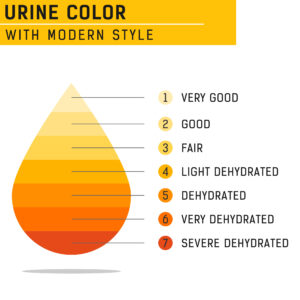 The first sign of dehydration is thirst. If prolonged, these other symptoms can occur:
- You have dark urine (healthy urine is golden to pale yellow)
- You urinate less often
- You experience headaches and dizziness
- You feel fatigued and/or confused
- Your skin becomes dry
- Your eyes and cheeks appear sunken
Just Add Water: 5 Hydration Tips for Healthy Urology
The amount of water you should drink in a day will vary depending on many factors: your sex, weight, activity level, health status, diet, and exposure to heat. A good starting goal is to drink 20mL per 1 kg (or about 10 mL per pound) of body weight per day. This means a healthy, 150lb (70kg), sedentary adult should consume a minimum of 1.4 liters (or 6 cups) of plain water per day.
Adults with a larger body size, those who are active, those with high salt or protein intake, and those exposed to heat (such as Floridians!) will need to drink more than this to maintain hydration. The easiest way to determine if you are meeting your hydration goals is to pay attention to the color of your urine – aim for that pale yellow color. Urine that is dark yellow or brown is an indication that its time to drink more water. To help meet your goals, add these easy practices to your daily routine:
- When necessary, take electrolytes. Typically, water will do the trick for hydration unless you’ve lost a lot of electrolytes. Signs of electrolyte imbalance include muscle cramps and salt cravings. If choosing packaged electrolytes, look for the ingredients sodium, potassium, magnesium, and chloride, which regulates body fluids. Be sure to avoid excessive electrolyte drinks with lots of added sugars. Excellent whole food and natural options include kiwi, sweet potatoes, shellfish, and coconut water. Talk to your doctor if you have kidney disease.
- Block those UV rays. The National Weather Service forecasts Florida will have a warmer-than-usual winter this year. But even when it’s a cool 41 degrees, the sun’s harmful UV rays can cause a skin-drying sunburn that puts you at risk of dehydration. Wearing daily sunscreen and/or a visor can help, regardless of whether or not you plan to be out in the sun that day or not. Harmful UV rays can penetrate house and car windows, making us susceptible even when we aren’t out sunbathing!
- Reduce your alcohol intake. Alcohol works against your body’s natural hydration mechanisms.When you drink, alcohol suppresses vasopressin – the hormone that tells your kidneys to hold onto water – causing you to lose more fluid than you take in. This diuretic effect is most pronounced with stronger drinks like wine and spirits, and it persists even when you’re drinking water alongside alcohol. The timing of alcohol consumption also matters more than you might think. If you’re already dehydrated from exercise, heat, or illness, alcohol delays your body’s recovery. Studies show that beverages containing just 4% alcohol significantly slow the body’s ability to rehydrate.
- Drink more water and maintain your muscle mass as you age. Muscle tissue stores most of your body’s water—about 73% of muscle is water. When people lose muscle as they age, they also lose this water storage space, making it easier to become dehydrated. This can become a bigger problem after age 60. Weaker kidneys, less muscle, and reduced sensation of thirst make older adults more likely to become dehydrated. UCLA Health reports that up to 40% of people older than 65 have chronic dehydration. The good news is that building and keeping muscle can help protect against dehydration. To maintain muscle mass, do resistance training (like lifting weights or using resistance bands) at least twice a week and eat 1.0-1.2 grams of protein per kilogram of body weight each day, spread evenly across meals (25-30 grams per meal). Don’t forget to drink more water as you increase your physical activity levels. Postmenopausal women should be especially diligent about hydration, because they are more prone to UTIs.
- Understand your medication side effects. Many drugs can cause frequent urination or otherwise cause you to lose more fluids than you take in, resulting in dehydration. Medications known to have this effect include diuretics, beta blockers, antipsychotics, and the neurotransmitter-blocking anticholinergics (for overactive bladder, asthma, COPD, and IBS).
Don’t take your body’s ability to regulate and hydrate for granted. If you feel thirsty more than usual, or experience the symptoms described above, call one of Florida’s more than 1,000 urologists.
Request an appointment or consultation with one of our AUI specialists here.